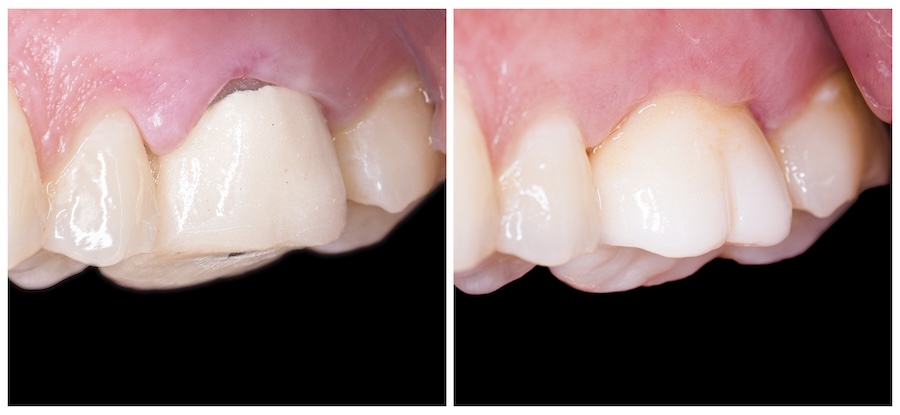
Is It Normal to See a Thin Dark Line at the Gumline of My Dental Crown?
July 15, 2026 9:00 am |A thin dark line around a dental crown is not always a sign that something is wrong. In many cases, it is the metal edge of an older crown becoming visible as the gumline shifts. However, the same kind of line can also appear when the gum has receded, stain has collected near the crown, or decay has developed along the edge.
The color and location can offer a clue, but they do not tell the whole story. A smooth gray line around an otherwise comfortable crown may be mainly cosmetic, while a darker area that appears with sensitivity, bleeding, food trapping, or a rough edge deserves a closer look. The surrounding gum tissue and the way the crown feels are often more informative than the color alone.
At Mauka Family Dental in Mililani, HI, Dr. James Wee can examine the crown, gum tissue, and tooth underneath to determine what is causing the line. In some cases, the area only needs to be cleaned and monitored. In others, the crown or the tooth beneath it may need treatment.
An Older Crown May Have a Metal Edge
Many older crowns were made with a metal base covered by tooth-colored porcelain. These porcelain-fused-to-metal crowns can be durable and natural-looking, but the thin metal margin may become visible near the gumline. The line often appears gray or blue-gray rather than brown.
That edge may have been hidden when the crown was first placed. Over time, even a small amount of gum recession can make it easier to see. The crown may still feel completely normal despite the change in appearance.
When the crown fits well, the gums are healthy, and there is no decay underneath, the line may be mainly cosmetic. Some patients are comfortable leaving a sound crown alone, especially when it sits farther back in the mouth. Others may choose to replace a visible front crown with a metal-free material.
Gum Recession Can Reveal What Was Hidden
The gumline does not always remain in the same position over the life of a crown. It may recede because of gum disease, heavy brushing pressure, thin gum tissue, tooth position, aging, or irritation around the restoration. As the gum moves back, it may expose the crown margin, a small amount of cement, or the natural root surface below the crown.
The root of a tooth is usually more yellow or brown than the enamel above it. Against a light porcelain crown, even a narrow strip of exposed root can look surprisingly dark. This can make the line appear more dramatic than the amount of recession would suggest.
Recession may also make the crowned tooth look longer than the teeth around it. In addition, the exposed root may feel sensitive to cold drinks, sweets, or brushing. Dr. Wee can check whether the gumline is stable or whether inflammation is causing the recession to continue.
Stain and Plaque Can Darken the Crown Margin
Plaque can settle where a crown meets the tooth, especially when the edge is difficult to clean or slightly bulky. Coffee, tea, tobacco, and other staining substances may then darken the buildup and create a narrow line near the gum. In some cases, the discoloration is more noticeable than the plaque itself.
A professional cleaning may remove some or all of the stain. However, discoloration can also settle into exposed cement, rough porcelain, or natural tooth structure, so it may not polish away completely. The dentist can usually tell whether the line is surface buildup or something deeper.
Bleeding, puffiness, or tenderness around the crown suggests that plaque is irritating the gums as well. That may mean the area needs better daily cleaning, professional care, or a closer look at the crown’s shape. Scrubbing harder is not the answer, since too much pressure may worsen recession.
A Dark Line Can Sometimes Be Decay
The natural tooth can still develop a cavity where it meets the crown. This may happen when plaque remains along the margin, the cement seal weakens, or the edge of the crown no longer fits closely. Dentists often call this recurrent or secondary decay because it forms next to an existing restoration.
Decay may look brown or black, although it is not always visible in the mirror. Some patients notice sensitivity, food catching, a bad taste, or floss that snags near the crown. Others have no symptoms at all until the cavity has become larger.
If decay is present beneath the edge, the crown often needs to be removed so the damaged tooth can be cleaned and rebuilt. The old crown may no longer fit once the decay is treated. In many cases, a new crown is needed afterward.
A Rough or Open Margin Needs Attention
A crown is designed to meet the tooth along a smooth, closely fitted edge. Over time, cement can break down, the tooth can change, or the crown can loosen slightly. When that seal is no longer as tight, plaque and food have more room to collect.
Patients may notice that floss catches, shreds, or slips beneath the crown. Food may also begin collecting in the same spot, or the crown may feel different while chewing. These changes can occur before pain develops.
A rough or open margin should be examined even when the tooth feels comfortable. The problem may be minor, but leaving it alone can raise the risk of gum irritation and decay. Early evaluation may also make the repair simpler.
The Tooth Beneath the Crown May Be Darker
Some crowned teeth are darker because of an old injury, a large filling, or previous root canal treatment. If the crown material allows some of that deeper color to show through, the gumline may look shadowed. This usually appears softer and less sharply defined than a visible metal edge.
The darker shade may have been present since the crown was placed. However, it can become more noticeable as the gums recede and reveal more of the lower portion of the tooth. Changes in lighting, photos, or surrounding tooth color may also make the shadow easier to notice.
When the tooth is healthy and the concern is mainly cosmetic, a replacement crown may be made with a material that masks the underlying color more effectively. The goal is to soften the darker shade without making the crown look flat or overly opaque. Dr. Wee can explain whether a material change is likely to improve the appearance.
When the Line Is Probably Cosmetic
A dark line is more likely to be cosmetic when it is narrow, gray, smooth, and unchanged over time. The crown should also feel secure, while the surrounding gums remain pink, firm, and comfortable. There should be no sensitivity, food trapping, bleeding, or unusual taste.
Even when the line seems cosmetic, it is worth pointing out during a routine visit. Dr. Wee can confirm that the crown is still sealed and that the visible edge is not hiding decay or inflammation. That examination can prevent guesswork.
If the crown is healthy, replacement becomes a personal decision. A line on a back tooth may not bother someone at all, while the same line on a front tooth may feel much more noticeable. The age and condition of the crown should be considered before replacing it for appearance alone.
When to Schedule an Earlier Appointment
A dark line should be checked sooner when it appears with pain, swelling, bleeding, sensitivity, or a bad taste. Floss that repeatedly catches or tears can also point to a rough or open edge. Food that suddenly begins packing around the crown is another reason to call.
The crown should also be examined if it feels loose, moves while chewing, or suddenly seems higher than the surrounding teeth. These changes may involve the cement, the tooth underneath, or the way the crown meets the opposing teeth. Waiting may allow the problem to become more difficult to repair.
A bump on the gum, facial swelling, or throbbing pain may signal an infection. Those symptoms should not be put off until the next routine cleaning. A line that has looked the same for years is usually less urgent, but a changing line deserves attention.
What Dr. Wee Will Check
The examination usually begins with the crown margin and the surrounding gum tissue. Dr. Wee may look for exposed metal, stain, root surface, cement, recession, or signs of decay. He will also check whether the crown feels secure.
Floss or a fine dental instrument may be used to see whether the edge feels smooth and sealed. The gum tissue may be checked for bleeding, swelling, and pocketing. The bite may also be evaluated if the crown feels different during chewing.
An X-ray may be recommended to look for decay beneath the crown, bone changes, or problems near the tooth’s root. However, not every concern shows clearly on an X-ray, so the visual and hands-on examination remains important. After the cause is identified, the next step may range from cleaning and monitoring to crown replacement.
Does the Crown Always Need to Be Replaced?
No, a thin dark line does not automatically mean the crown needs replacement. A sound porcelain-fused-to-metal crown may continue functioning well even when part of the metal margin becomes visible. Replacing it may be optional when appearance is the only concern.
If the line comes from surface stain, a professional cleaning may improve it. When mild gum recession has exposed the margin but the crown still fits properly, monitoring may be more reasonable than replacing the restoration immediately. Home-care changes may also help protect the exposed area.
Replacement becomes more likely when there is decay, a loose crown, an open edge, repeated gum irritation, or a cosmetic concern the patient wants to change. The condition of the tooth underneath will also affect the recommendation. Dr. Wee can explain whether the benefits of a new crown outweigh leaving a stable one in place.
What a Replacement Crown Can Improve
A new crown can improve both appearance and fit when the old restoration no longer meets the tooth cleanly. It may also allow the dentist to correct a bulky contour that traps plaque or irritates the surrounding gum. For a visible tooth, a metal-free crown can avoid the gray edge associated with older metal-based designs.
The color of the underlying tooth still has to be considered. A very dark tooth may need a crown material that softens that color while preserving a natural sense of depth. The bite and the amount of space around the tooth also influence which material will work best.
The gums may need attention before the final crown is made, especially when the tissue is inflamed. Allowing the gumline to become healthier gives the dentist a more stable outline to work with. In some cases, gum treatment may be discussed before the crown is replaced.
Caring for the Gumline Around a Crown
Brush gently where the crown meets the gum, using fluoride toothpaste and a soft-bristled toothbrush. Pay attention to the edge without pressing hard or scrubbing aggressively. Heavy brushing pressure can irritate the tissue and may contribute to recession over time.
Floss should slide along both sides of the crowned tooth and move carefully beneath the gum edge. If standard floss is difficult to use, the dental team may recommend an interdental brush, floss threader, or water flosser. The best option depends on the space and shape around the crown.
Regular dental visits also help because changes near crown margins may begin before they cause pain. A line that becomes wider, rougher, darker, or more sensitive should be mentioned. Tracking small changes over time makes it easier to know when treatment is needed.
Dental Crown Evaluation at Mauka Family Dental in Mililani
A thin dark line around a crown may come from an older metal margin, gum recession, stain, exposed root structure, or decay. Some causes affect only appearance, while others can change the health or fit of the restoration. The line itself cannot confirm which one is present.
At Mauka Family Dental in Mililani, HI, Dr. James Wee can examine the crown, gumline, and tooth underneath. He can then explain whether the area should be cleaned, monitored, treated, or restored with a new crown. The recommendation will depend on both the appearance and the health of the tooth.
Schedule an appointment if the line is new, becoming more noticeable, or accompanied by sensitivity, bleeding, swelling, food trapping, or movement in the crown. An examination can provide a clear answer before a small concern becomes a larger one. It can also help you decide whether the issue is something to watch or something worth changing.
Categorised in: Dental Crowns, Dental Tips, Oral Health, Oral Hygiene