Cosmetic & Structural Issues Bonding Can Fix
August 24, 2026 9:00 am |Maybe one front tooth has a small chip that keeps catching your eye in photos. Maybe there is a narrow gap you have always noticed, but only now are you in a place where you are ready to spend money on changing it. Or maybe one tooth looks shorter, darker, or a little out of step with the teeth around it, and you would like to fix that without turning it into a much bigger treatment than it needs to be.
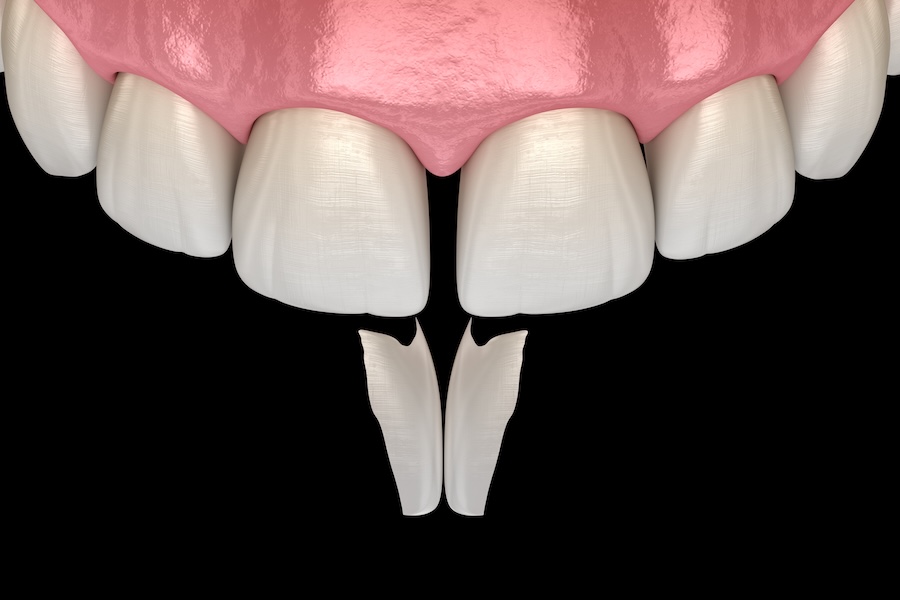
Dental bonding can work well for those smaller cosmetic changes because Dr. James Wee at Mauka Family Dental in Mililani, HI, can add tooth-colored composite directly to the area that needs it. That may mean rebuilding a chipped edge, closing a small space, reshaping a tooth, or covering a spot that does not blend with the rest of your smile. And because the material is placed directly on the tooth, the treatment can stay focused instead of covering the whole surface with a veneer or crown.
Bonding can also repair some minor structural damage, but the tooth still needs enough healthy structure underneath to support it. If a small corner broke off, composite may be enough to rebuild it. If a larger part of the tooth is missing or the crack reaches deeper, Dr. Wee may recommend something stronger so you are not repairing the same area again later.
Cosmetic & Structural Issues Bonding Can Fix
Bonding is most useful when the change is fairly small and the tooth itself is in good shape. A little composite can add length to an uneven edge, fill a narrow gap, reshape a corner, or cover a localized color difference. Since the resin is matched to the enamel around it, the goal is for the repaired area to blend in rather than look like something was added on top.
That flexibility is one of the reasons bonding works well for front teeth. A change of only a few millimeters can alter the way two teeth line up, how a smile looks in photos, or whether one uneven edge keeps drawing your eye. Dr. Wee can shape the material directly in the mouth, then refine the contour before the final polish.
At the same time, bonding is not only about appearance. If a small piece of enamel has chipped away, the resin can restore that missing section and smooth the edge again. The amount of healthy tooth left, however, will help determine whether composite is enough or whether the tooth needs more protection.
Small Chips on Front Teeth
A small chip on a front tooth can be surprisingly hard to ignore. You may notice it every time you smile in a photo, or your tongue may keep finding the rough edge even when nobody else can see it. Since the rest of the tooth may be completely healthy, covering the whole tooth can feel like more treatment than you want.
Bonding can rebuild that missing corner or edge with composite matched to the surrounding enamel. Dr. Wee can use the neighboring tooth as a guide for length and shape, then smooth and polish the repair so it feels natural. If the chip came from one isolated accident, the repair may be fairly straightforward.
However, if the same edge has chipped more than once, the bite deserves a closer look before more resin is added. Grinding, clenching, or a strong contact in one spot can keep putting pressure on the repair. In that case, addressing the force may help the bonding hold up better.
Worn or Uneven Tooth Edges
You may notice that one front tooth looks shorter than the one beside it, or that several edges have flattened over time. Grinding and clenching can cause that kind of wear, although normal use can change tooth edges gradually as well. Once the teeth stop lining up the way they used to, the difference can become more obvious in the mirror or in photos.
Bonding can add back a small amount of length when there is enough healthy enamel underneath. It can also soften an uneven corner or bring two neighboring teeth into better balance without changing the whole front surface. For someone who likes the overall shape of the smile but wants one or two edges corrected, that can keep treatment fairly limited.
If the wear came from grinding, however, the new bonding will still be exposed to that same pressure. Dr. Wee may ask about jaw soreness, headaches, or nighttime clenching, and he may recommend protecting the teeth after treatment. That way, the focus is not only on rebuilding the edge but also on helping it stay intact.
Small Gaps Between Teeth
Some people have lived with a small gap for years and never felt strongly enough about it to make a change. Then life shifts, finances are better, cosmetic treatment feels more accessible, and suddenly that space is something you are ready to address. If the gap is narrow and the surrounding teeth are healthy, bonding may be able to close it without orthodontic treatment.
Dr. Wee can add a small amount of resin to one or both teeth beside the space. Rather than widening one tooth too much, he can distribute the material in a way that keeps the teeth looking balanced with each other. That is often what makes the difference between a gap that looks closed and a result that still feels natural.
If the space is wider, however, orthodontics or veneers may create better proportions than adding a larger amount of composite. The same is true if several teeth are spaced apart or the gap is tied to tooth position. In those cases, moving the teeth or changing more than one surface may give a cleaner result.
Teeth That Look Too Short or Uneven
Sometimes the issue is not damage at all. One tooth may have developed shorter, narrower, rounder, or more pointed than the tooth beside it, and that difference can stand out in the front of the smile. If you are happy with the color and overall health of the tooth, bonding can focus on the shape without changing everything else.
Composite can be added to the edge or side of the tooth to build out the area that looks undersized. Dr. Wee can adjust the contour little by little, checking how it lines up with the neighboring teeth as he goes. Then the surface is polished so the transition between resin and enamel is smooth.
This can work particularly well when only one or two teeth need modest reshaping. If several teeth need larger changes in length, width, and color, veneers may give more control over the overall result. But when the change is small, bonding can often get you there with less alteration to natural enamel.
Irregular Tooth Shapes
Some teeth naturally have shapes that make them stand apart from the rest of the smile. A lateral incisor may be narrow or pointed, for example, while the same tooth on the other side looks fuller. That kind of asymmetry is not always a dental problem, but it can become something you want to change once you are ready to invest in cosmetic treatment.
Bonding allows Dr. Wee to add width, soften a point, or build out a shorter area while leaving most of the natural tooth intact. Because the resin is sculpted directly on the tooth, he can make small adjustments until the proportions look right beside the neighboring teeth. Then the final polish helps the composite reflect light more like enamel.
If the tooth needs a much larger change, a veneer may be worth comparing. More composite means more material exposed to staining, wear, and bite pressure over time. So the amount of reshaping you want can help determine whether bonding or porcelain is the better fit.
Localized Discoloration and White Spots
Whitening can brighten many types of staining, but some color differences are more localized. One tooth may stay darker than the others, or you may have a white patch or small area of uneven color that does not respond the same way as the surrounding enamel. If the rest of your smile is already a shade you like, bonding can focus on that one area.
Dr. Wee can place composite over the discolored section and match it to the enamel around it. That avoids treating every tooth when the concern is limited to one spot. It can also be a good option when additional whitening would not change the area that bothers you.
If several teeth have broader color differences, then whitening or veneers may make more sense. The goal is to choose the treatment that fits the size of the concern rather than layering composite over more teeth than necessary. A small isolated spot and a full-smile color change call for very different plans.
Minor Cracks and Small Surface Defects
A tiny enamel defect or shallow crack may be able to be repaired with bonding if the tooth underneath is still strong. Composite can smooth a rough area, rebuild a small missing section, or cover a superficial defect that affects the way the tooth looks. That can keep the repair limited to the damaged area.
Pain when you bite, lingering sensitivity, or a fracture that extends deeper into the tooth changes the picture. In those cases, Dr. Wee will want to see how much of the tooth is involved before deciding on the restoration. If the crack reaches farther in or a larger section has broken away, composite may not give enough support.
For smaller defects, bonding may be all that is needed. For larger fractures, a crown may do a better job of protecting the remaining tooth because it surrounds more of the structure. The choice depends less on the label “crack” and more on how much healthy tooth is still there.
Small Areas of Lost Tooth Structure
Bonding can also rebuild a small section of enamel that has broken away from trauma, wear, or a minor fracture. A chipped corner on a front tooth is a very different job from rebuilding a large chewing surface on a molar, though, because the amount of force is very different. The more tooth that is missing, the more support the restoration needs.
If only a small area is gone and the rest of the tooth is strong, composite may be enough. However, if a large portion of the tooth has fractured, the remaining walls may not be strong enough to support a bonded repair long term. In that situation, a crown may provide better coverage and protection.
Dr. Wee can look at how much natural structure remains and where the tooth sits in the bite. That gives him a better idea of whether the area can be rebuilt conservatively or whether a stronger restoration would hold up better. The goal is to match the repair to the amount of work the tooth has to do.
Old Bonding That Has Chipped or Stained
If you already have bonding, you may notice that it looks different after several years. The surface can lose some polish, the edge may chip, or the resin may start looking darker than the enamel around it. Sometimes the change is small, but on a front tooth, small changes can still be easy to see.
Depending on the condition of the repair, Dr. Wee may be able to polish it, add material to one section, or replace the older composite. Not every chip means starting over from scratch. If most of the bonding is still in good shape, a smaller repair may be enough.
Whitening is another reason older bonding may stop matching. Natural enamel can lighten, while existing composite keeps its original shade. So if whitening is part of your plans, it often makes sense to do that first and then match any new bonding to the shade you intend to keep.
What Happens During Dental Bonding?
Bonding is usually completed directly on the tooth in the office. Dr. Wee selects a composite shade that blends with the surrounding enamel, prepares the surface, and then places the resin in layers. As he builds the tooth, he can adjust the length, contour, and edge before the material is hardened.
For a small cosmetic repair, very little natural tooth structure may need to be removed. Some cases may not need anesthetic, although that depends on whether decay, sensitivity, or deeper damage is involved. Repairing a tiny chip is also different from reshaping several teeth, so the amount of time needed can vary.
Before you leave, Dr. Wee checks the bite and makes sure the bonded area does not feel bulky or hit too hard against the opposing teeth. Then he polishes the surface so it feels smooth to your tongue. If the bite feels slightly high after you get home, the area can be adjusted.
How Long Can Bonding Hold Up?
Bonding can last for years, but where it sits makes a big difference. Composite added to the side of a tooth may see much less force than material placed right on a biting edge. Grinding, clenching, nail biting, chewing ice, and using teeth as tools can all put more pressure on the repair.
The material can also pick up stain over time from coffee, tea, tobacco, and other strongly colored foods or drinks. Sometimes a polish can freshen the surface, while older bonding may eventually need repair or replacement. If a small edge chips, dealing with it early may keep the repair from becoming larger.
If the same area breaks more than once, Dr. Wee may look beyond the composite itself and check what is happening with the bite. Replacing the material again without changing the pressure may only repeat the problem. In some cases, a nightguard or a different type of restoration may be a better long-term choice.
How Do You Care for Bonded Teeth?
Bonded teeth are brushed and flossed just like the rest of your teeth. You do not need a complicated routine, but you do want to avoid putting concentrated pressure on bonded edges. Biting hard objects, chewing ice, or using your teeth to tear open packaging can chip both enamel and composite.
If grinding or clenching contributed to the original damage, protecting the teeth afterward may be part of the plan. Dr. Wee may recommend a nightguard if the wear pattern and symptoms point in that direction. That can help protect the bonding along with the natural teeth around it.
Also, pay attention to small changes. If an edge starts feeling rough, catches on floss, or looks like a piece has chipped away, call the office. A small repair is usually easier to deal with before more material breaks off.
Bonding, Veneers, or a Crown?
Bonding usually works best when the change is small and there is plenty of healthy tooth structure left. Chips, narrow gaps, uneven edges, mild shape differences, and localized discoloration can often be treated without covering the whole tooth. It also tends to involve less tooth preparation than veneers or crowns.
Veneers can make broader changes to color, shape, width, and length across the front surface of the tooth. So if several teeth need larger cosmetic changes, porcelain may give more control over the final look. However, veneers involve a different level of tooth preparation and cost, which is why they are not automatically the better option for a smaller concern.
Crowns are more likely to come up when the tooth has lost a lot of structure or needs protection all the way around. A heavily filled or badly fractured tooth may need more support than composite can provide. If the tooth is still strong and the issue is limited, bonding can keep the treatment much smaller.
Dental Bonding at Mauka Family Dental in Mililani, HI
Maybe you have reached the point where fixing that chipped edge, small gap, uneven tooth, or patch of discoloration finally feels worth doing. You may want a subtle change rather than a full smile makeover, and bonding can often fit that kind of goal well. Dr. James Wee can look at the tooth, your bite, and how much change you want before showing you which options make sense.
At Mauka Family Dental in Mililani, HI, the plan is built around your teeth and what you actually want to improve. If bonding can give you the result without removing more healthy tooth structure than necessary, Dr. Wee can keep the treatment focused there; if another option would hold up better, he can explain that before you decide. Call Mauka Family Dental to schedule a consultation and talk about what you would like to change in your smile!
Categorised in: Dental Bonding